Cruise Line Tycoon Roblox How to Build Your Ship
Grid habits that keep refits cheap and passengers impressed.
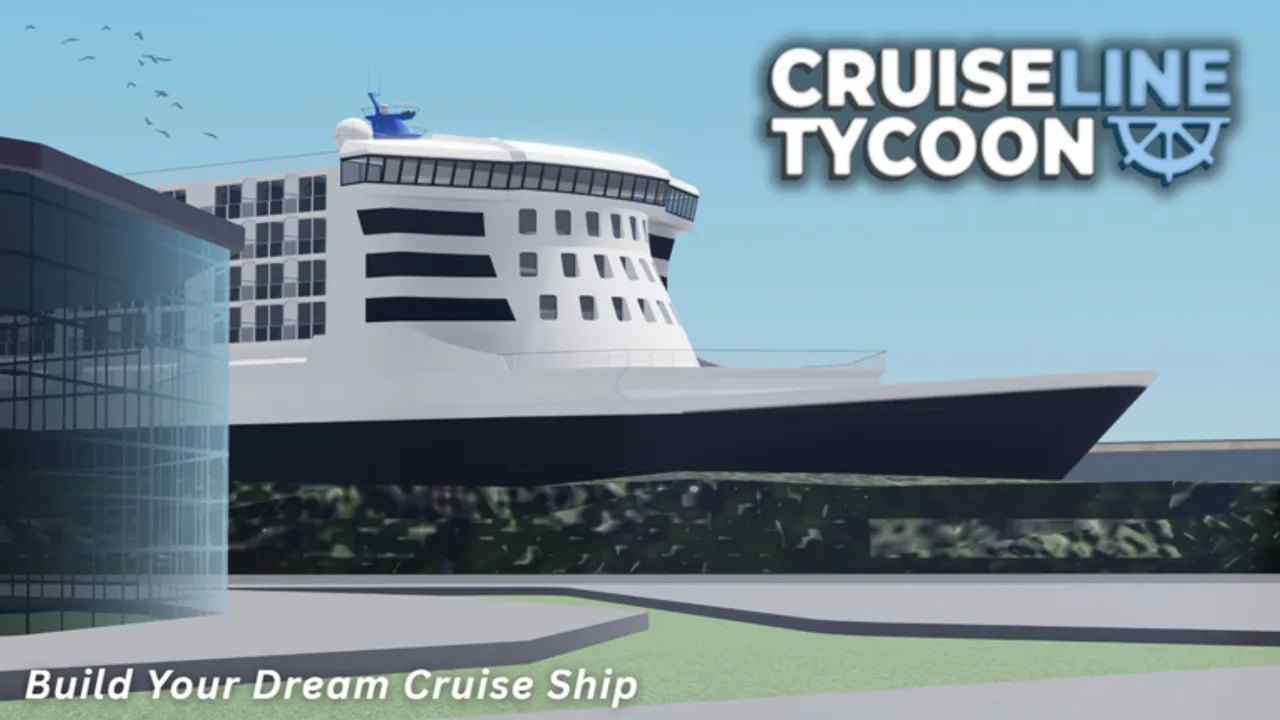
Building in Cruise Line Tycoon is tile chess: every corridor, cabin, and engine room competes for space on a grid that scales from starter hulls to the Imperial Class (~35,000 tiles across 13 decks). Good layouts earn rating and fuel efficiency; bad layouts look expensive in screenshots and still lose money. This guide focuses on construction order, refund-friendly iteration, and guest pathing—not vanity megastructures.
Start with circulation, not suites
Before G-placing a single premium cabin, sketch a loop:
- Boarding point near spawn.
- Cabin clusters with shared corridor spines.
- Toilets adjacent to clusters, not one deck away.
- Food and entertainment on the same loop guests already walk.
Dead-end decks are the silent rating killer. Walk every path you build; if you would sigh as a passenger, refactor with F before sailing. Raise Rating explains how chokepoints show up in satisfaction scores.
Prototype cheap, polish after proof
Alpha rewards experimentation because F refunds a meaningful share of placement cost. Build a rough deck zone, sail Qanaveral → Nassau, observe bottlenecks, then refine. Only after a loop proves income should you invest in marble, plants, and summer décor from Paint and Customize.
This discipline matters most on Somnio Class (~6,775 tiles post-remodel): large enough to hide mistakes, small enough that mistakes still hurt voyage timing.
Deck zoning by function
Separate concerns vertically and horizontally:
| Zone | Placement tip |
|---|---|
| Guest cabins | Mid decks with elevator/stair access; avoid engine vibration tiles if Alpha mechanics penalize proximity. |
| Crew bunks | Lower decks near service corridors—see Hire Crew. |
| Food service | Central to guest loop; kitchen backs should not block escape paths. |
| Engine / power | Adjacent to propulsion with tile budget for upgrades—Power and Propulsion. |
| Public entertainment | Visible from main promenade; pools and bars drive variety scores in Rooms and Amenities. |
Scaling from starter to Imperial
Starter ships teach corridor width and toilet ratios. Aurora Class adds cold-route planning—build engine redundancy before Whitecap Cove. Imperial Class demands deck cores: repeat stair/Elevator patterns every few decks so guests never hike thirteen floors for a buffet.
Buying Aurora at Hailmar (20% discount) saves capital you should reinvest in layout infrastructure, not duplicate restaurants on the same deck.
Tooling integration
Master Controls first: G select, F remove, R rotate, Mirror for symmetric wings. Work structure → furniture → décor passes; do not paint before flow is locked.
Cross-check fuel tank placement whenever you move engine rooms—Fuel and Supplies and the Fuel Planner assume your tanks still exist after refits.
Pre-voyage layout checkpoint
Before leaving Qanaveral, Barcelona, or any shipyard dock, confirm:
- Spawn to cabin ≤ short walk.
- Cabin to toilet ≤ short walk.
- Cabin to food and entertainment on one coherent loop.
- Crew bunks staffed for venues you built.
- Propulsion and power sized for the next island on Islands Map.
Fail any item and fix with F locally instead of sailing a broken ship to Cozumel.
Build mistakes worth avoiding
- Vertical sprawl without stairs — guests stuck on deck nine miss dining on deck two.
- Duplicate food venues, zero toilet expansion — rating stalls while expenses climb.
- Engine refit mid-route plan — moving reactors after booking a Barcelona run wastes days.
- Copying YouTube megaships before missions require them — Missions often need rating, not tile count.
Building well is repeating small correct decisions. Use refunds liberally early, lock structure before cosmetics, and treat every voyage as a layout test until your rating stabilizes.
Frequently Asked Questions
Quick answers for Cruise Line Tycoon captains.
Should I build corridors before rooms?
Yes. Block guest and crew circulation first, then snap cabins and venues onto that spine. Retrofitting corridors costs more refunds than doing it right once.
When is it safe to delete rooms with F?
During docked refits or early prototyping voyages. Avoid ripping out food service mid-mission unless the mission text allows downtime.
How wide should Imperial Class stair cores be?
Plan repeatable vertical cores every few decks so passengers never rely on a single distant stairwell—13 decks amplify small layout errors.
Does décor fix a bad layout?
No. Paint and summer items boost decoration scores only when toilets, food, and paths already work—fix flow in How to Build before Paint and Customize.