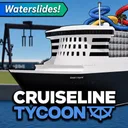
Cruise Line Tycoon Roblox Starter Ship Picks
Learn systems on Pioneer and Stratus before chasing Imperial screenshots.

Your first hull in Cruise Line Tycoon is a classroom, not a trophy. Quality Studios starts most captains on the Pioneer Class at Qanaveral, where the shipyard sells manageable footprints and nearby islands like Nassau, Seabrook, Palm Key, and Northaven offer short practice legs. The goal is to learn how tiles, corridors, crew, food, fuel, and guest rating interact before you finance Stratus, then the full progression line toward Aurora Class and beyond.
Starter ships punish vanity less than flagships but still expose weak planning. A corridor dead-end on deck three is cheap to fix with F refunds on a Pioneer; the same mistake on Imperial Class can burn an entire session.
Pioneer and Stratus: the two starter tiers
Pioneer Class is the default first hull—every new Free Beta captain receives or purchases this manageable footprint to learn grid building. Stratus Class is the natural graduation step within the starter band: more tiles and passenger capacity without jumping to mid-progression scale.
Do not confuse either with Somnio Class. Somnio is a Yacht Bundle gamepass superyacht inspired by Ponant Le Champlain—not the standard upgrade after Stratus. Standard progression after Stratus leads to Aurora, then Explorer, Celeste, Horizon, and the rest of the ladder on Progression Ships.
What a starter hull should teach
Treat early voyages as skill drills across five systems:
Grid building. Use G to place cabins, galleys, and venues. Practice R rotations and Mirror symmetry so you understand how pieces snap before you scale up. Read How to Build for zoning basics—guest decks separated from crew services reduce rating penalties later.
Guest rating. Run the Rating Checklist before leaving Qanaveral. Verify toilets per passenger, food throughput, at least two entertainment types, and décor that is not bare grey box. Raise Rating explains why a single missing category tanks voyage payouts.
Fuel and supplies. Sail repeatable loops until you can estimate burn without panic. Stock reserves for port fees and mis-clicks. Pair short routes with Fuel and Supplies and log estimates in the Fuel Planner.
Crew basics. Hire enough staff for galleys, cleaning, and medical before you expand passenger count. Under-crewed starters look fine in port and crumble mid-route.
Economy rhythm. Note which islands pay best for your current layout. Starter captains often over-invest in décor while food runs dry—fix economy before shopping the Ships Hub.
Recommended early route loop
A practical learning circuit from Qanaveral:
- Undock with full food and a fuel buffer.
- Visit Nassau or Seabrook for a medium hop—watch consumption.
- Return through Palm Key or Northaven if missions require variety.
- Resupply at Qanaveral, run the rating checklist again, adjust one deck section.
Repeat until fuel math feels boring. Boredom means you are ready to evaluate Stratus or Aurora. Avoid jumping straight to Cozumel or Barcelona on a Pioneer; long-range stress tests belong after you trust reserves. See Routes and Autopilot for loop planning.
Layout priorities on a small footprint
Space is tight, so order matters:
- Propulsion and power adequate for your loop—not oversized engines eating tile budget.
- Food and toilets scaled to passenger cap.
- Two entertainment venues with reachable paths from cabins.
- Crew bunks, laundry, and medical within reasonable distance.
- Décor passes last—cohesive flooring beats scattered luxury one-offs.
Use F aggressively during learning. Value-based refunds reward experimentation on Pioneers; hesitation keeps bad habits alive into Aurora’s larger tile budget.
V2.0.0 added waterslides and pools—tempting on small decks but expensive in tile budget. Wait until Stratus or Aurora before major aquatic sections; see Waterslides and Pools for sizing advice.
Graduation criteria
Upgrade from Pioneer to Stratus, then toward Aurora, when all of the following hold for several sessions:
- Stable positive voyage margin on your usual loop.
- Rating checklist passes with zero critical failures.
- Fuel reserve never drops below your personal safety line.
- You can explain why the next class helps—not just that it looks bigger.
If you meet those bars, compare Aurora Class at Hailmar with the 20% discount against your mission list and cold-route goals. Imperial and Eclipse remain late goals—see Eclipse Class and Imperial Class when profits consistently overflow mid-tier needs.
Common starter mistakes
Premature flagship envy. Screenshots of thirteen-deck Imperials skip the learning phase that makes them profitable.
Somnio confusion. Buying the Yacht Bundle gamepass early does not replace Pioneer fundamentals—Somnio still costs in-game cash and demands superyacht-scale planning.
Décor before plumbing. Pretty atriums with hungry guests teach expensive lessons.
Ignoring missions. Objectives gate cash and unlocks; random sailing without mission alignment slows upgrades.
Skipping checklist habit. One failed toilet ratio explains more bad voyages than “bad luck” on routes.
Track Beta changes on Updates—starter pricing and mission text can shift. Revisit graduation criteria after patches rather than assuming yesterday’s loop still optimal. Tips and Tricks collects Beta-era shortcuts worth knowing.
Frequently Asked Questions
Quick answers for Cruise Line Tycoon captains.
When should I upgrade from Pioneer to Stratus?
When you hold stable profits, pass the rating checklist reliably, and understand fuel reserves on your usual Qanaveral loops.
Should I save for Somnio or Aurora first?
Follow standard progression to Aurora at Hailmar with the 20% discount. Somnio is a Yacht Bundle gamepass ship, not the default mid-game upgrade.
Can I skip starter practice and buy Imperial Class?
You can, but roughly 35,000 tiles magnify every layout error. Most captains regret skipping Pioneer and Stratus fundamentals.
Which islands are best for starter practice?
Nassau, Seabrook, Palm Key, and Northaven offer manageable hops from Qanaveral without long-range fuel stress.